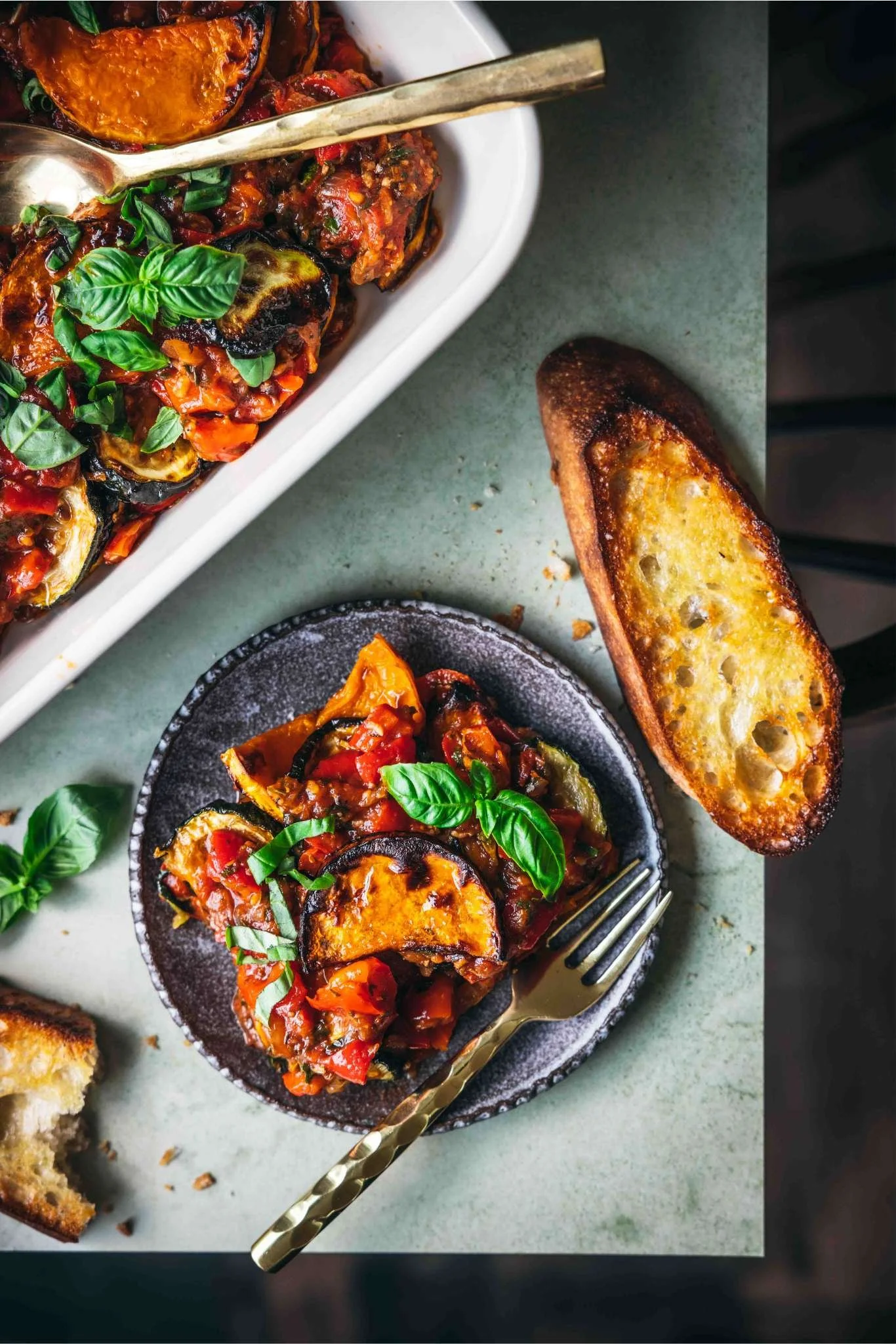
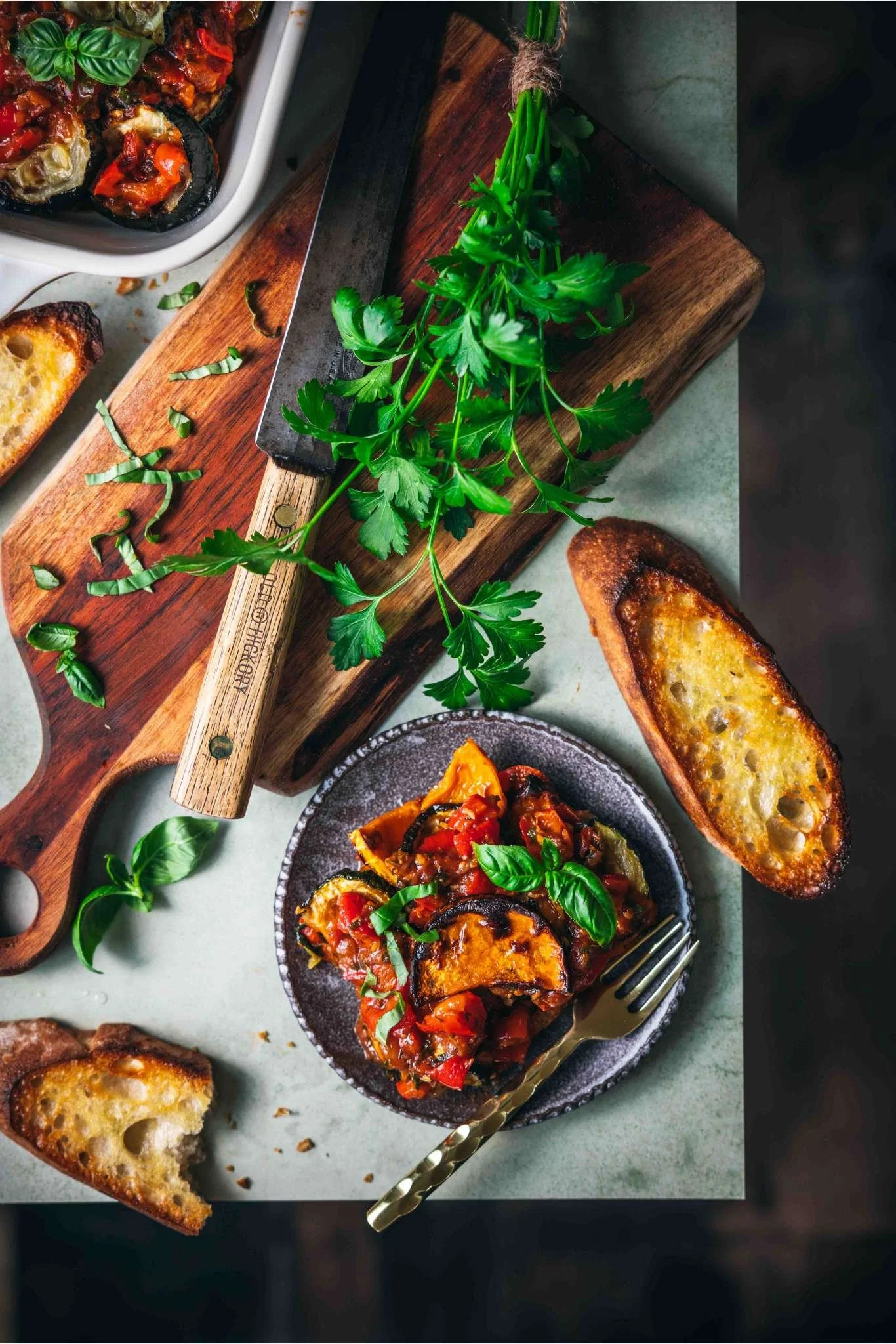
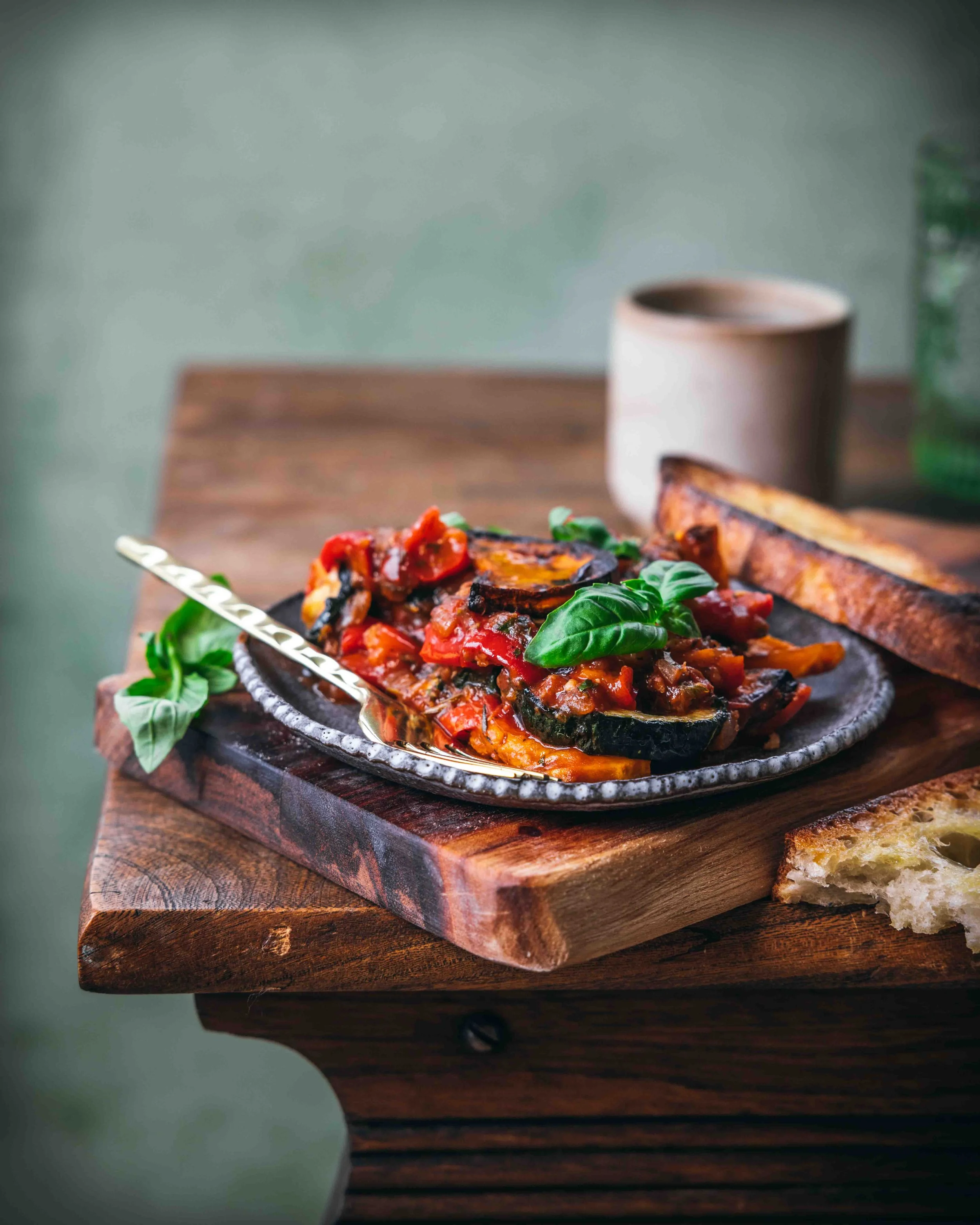
This winter version of the traditional ratatouille recipe is made without eggplant! Creamy butternut squash, bell peppers, and fresh tomatoes are cooked with good olive oil into a rustic dish that is simply to-die-for! This recipe is easy, vegan, and gluten-free.
🍅 Ratatouille Explained
Traditional ratatouille is a French vegetable dish from Provence, where the abundance of late summer produce is sliced, chopped, and lovingly cooked into a rustic, silky dish resembling a casserole. Do not fear! The artful rainbow swirl of vegetables recently made famous by the Pixar movie, while lovely, is not how ratatouille was ever made in rural home kitchens.
Ratatouille began as a peasant dish. There is no single “correct” method to make it. This winter version swaps eggplant for sweet and creamy butternut squash. And, like many Mediterranean dishes, ratatouille improves as the flavors mingle, which is why it’s often made the day before and served cold or at room temperature.
Compared to the infamous Julia Child recipe from “Mastering the Art of French Cooking,” this is an easy ratatouille recipe, and if I may be so bold as to say, just as tasty.
🔖 Ingredients You’ll Need
You’ll find the complete ingredient list with measurements and instructions in the recipe card at the bottom of this post.
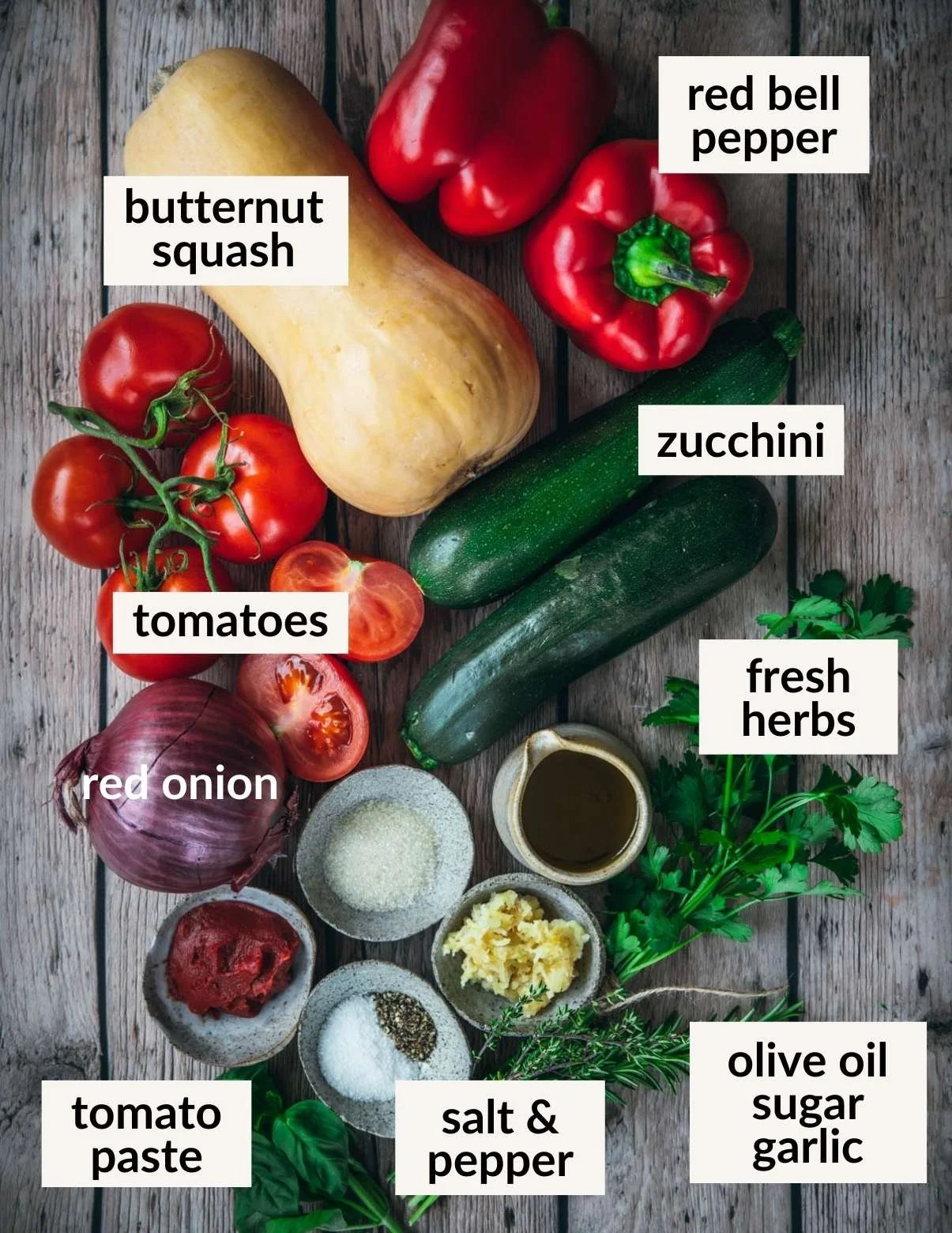
🧡 Butternut Squash – We use sweet, creamy, meaty butternut squash in place of eggplant in this winter ratatouille recipe. It adds heft and body to a recipe that is entirely comprised of vegetables. Although I haven’t tested it, I feel honey nut squash and delicata squash would be equally delicious.
🥒 Zucchini- The overachiever of every home gardener, abundant zucchini is roasted separately until golden and then added as a layer with the butternut squash.
❤️ Red bell peppers – Slightly sweet and sturdy enough to hold their shape during a long simmer.
🍅 Tomatoes/tomato paste – Choose ripe but firm red tomatoes as these will cook down into a silky sauce. Tomato paste adds thickness and concentrated tomato flavor.
🧄 Red onion/garlic – Alliums, common as the flavor base in so many Mediterranean dishes.
🌿 Fresh herbs- Basil, parsley, rosemary, and thyme are our quiet heroes, creating noticeable layers of flavor. You may substitute dried thyme and rosemary, but please only use fresh parsley and basil.
🫒 Olive oil- Use the best olive oil you can comfortably afford.
🩵 Sugar- Granular sugar in the form of cane, brown, or coconut sugar balances any acidity from the tomatoes and makes the overall dish darn near addictive.
Note: This recipe may be made with eggplant if you would like to keep it traditional. In place of the butternut squash, use 1 pound of eggplant (1 large), skin on, ends trimmed away, and cut into ¼ inch rounds. To roast the eggplant, spread the rounds on one baking sheet. Continue with the directions at step 2.
🥣 How to Make Ratatouille Without Eggplant (With Photos)
When you’re ready to make this recipe, scroll down to the recipe card at the end of this post. You’ll find the complete ingredient list with measurements there.
Equipment
2.5 quart casserole dish (8 x 10.5” or similar size)
2 rimmed baking sheets
1. Preheat oven to 425°F. Brush the bottom of 2 rimmed baking sheets with olive oil.
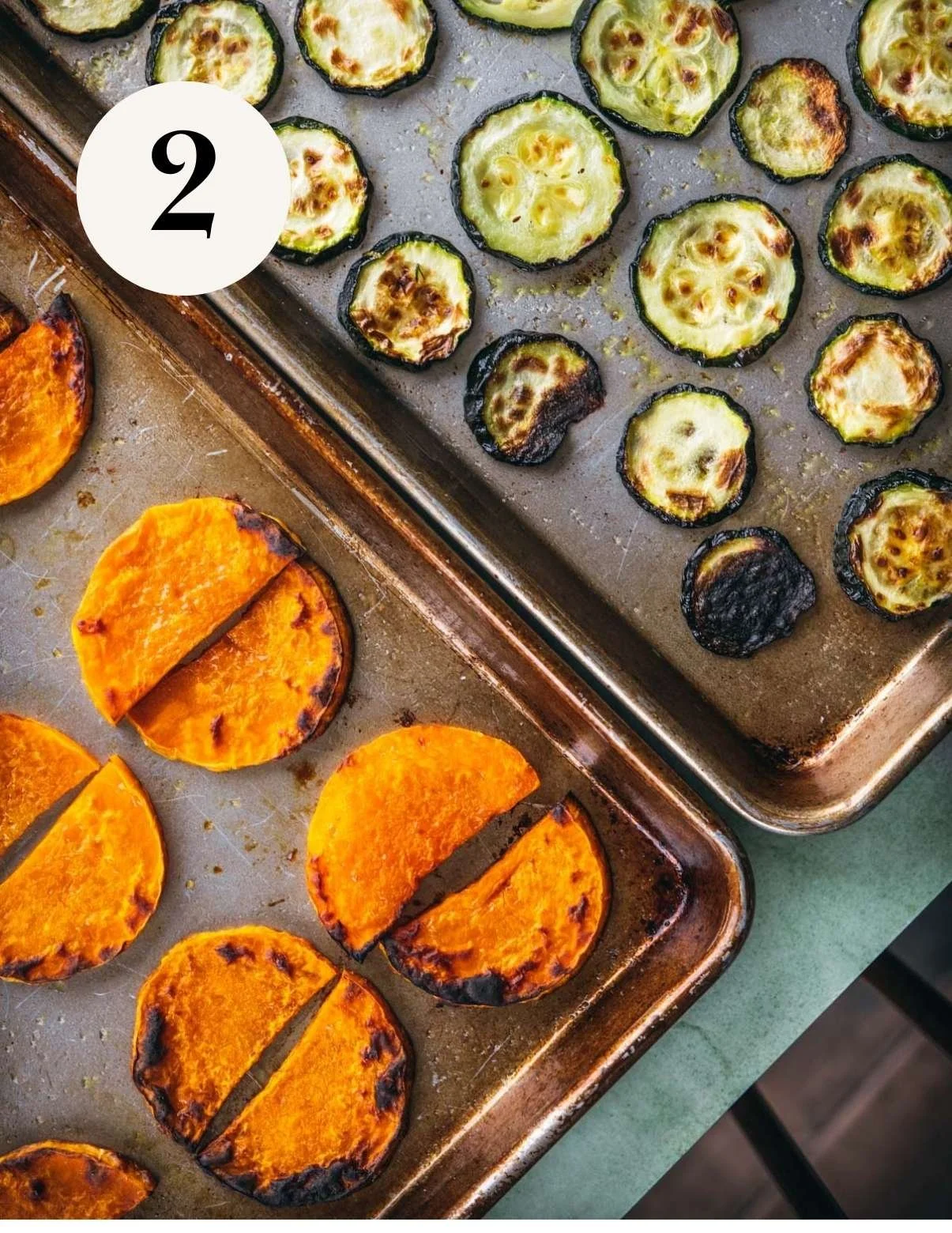
2. Roast the butternut squash and zucchini. Spread the butternut squash on one baking sheet. Spread the zucchini on the other baking sheet. Brush the tops with oil. Sprinkle the vegetables lightly with salt. Bake for 40-45 minutes, rotating the pans halfway through. The butternut squash should be very soft with some caramelized edges. The zucchini should be browned on the top with shriveled skins and soft roasted centers. A little charring is just fine and will add flavor. Set aside.
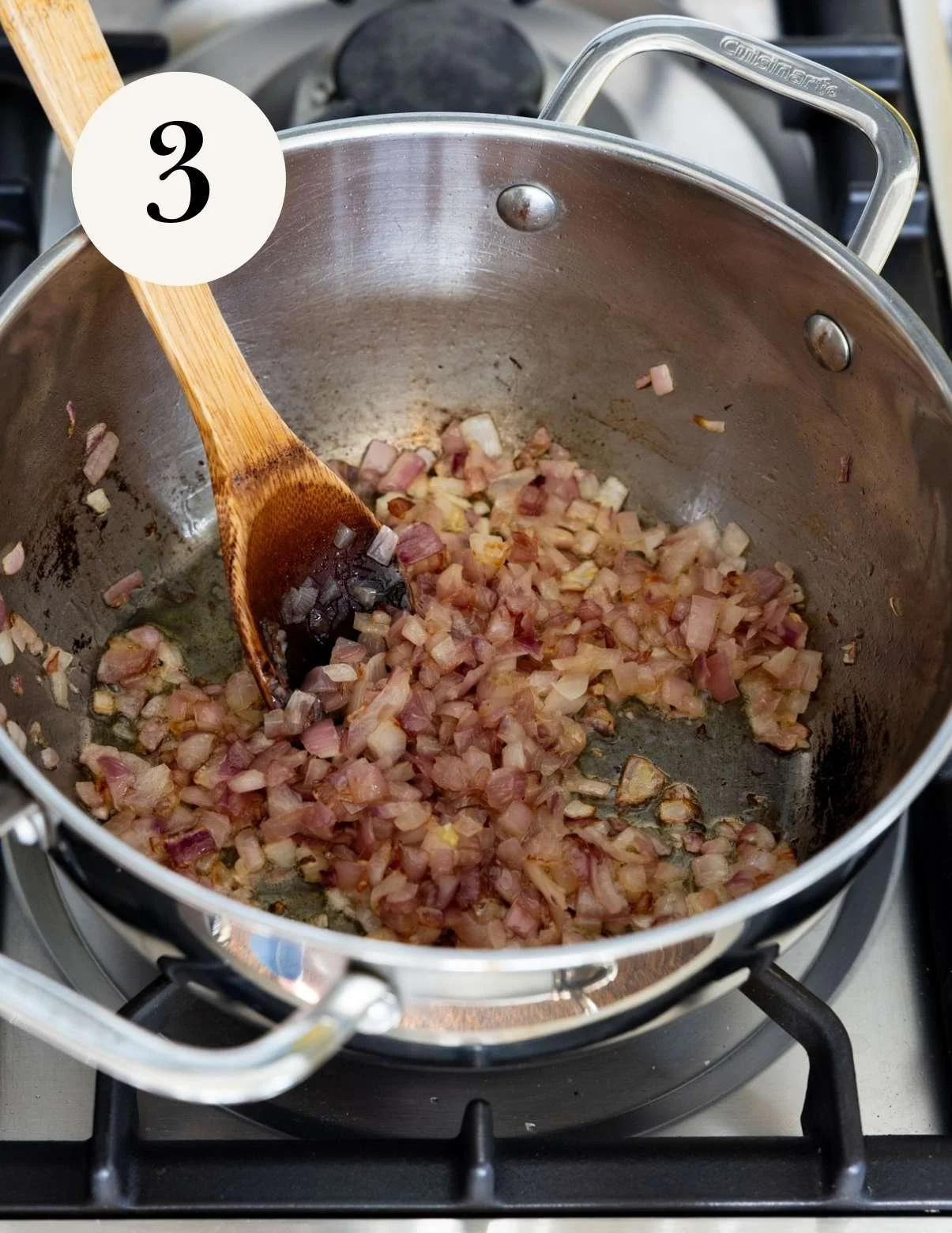
3. Meanwhile, add 2-3 tablespoons of olive oil to a large saucepan over medium-high heat. Tumble in the onions. Sprinkle with ½ teaspoon of salt and stir to coat. Cook, stirring often until glistening, transparent, and fragrant, 5-7 minutes.
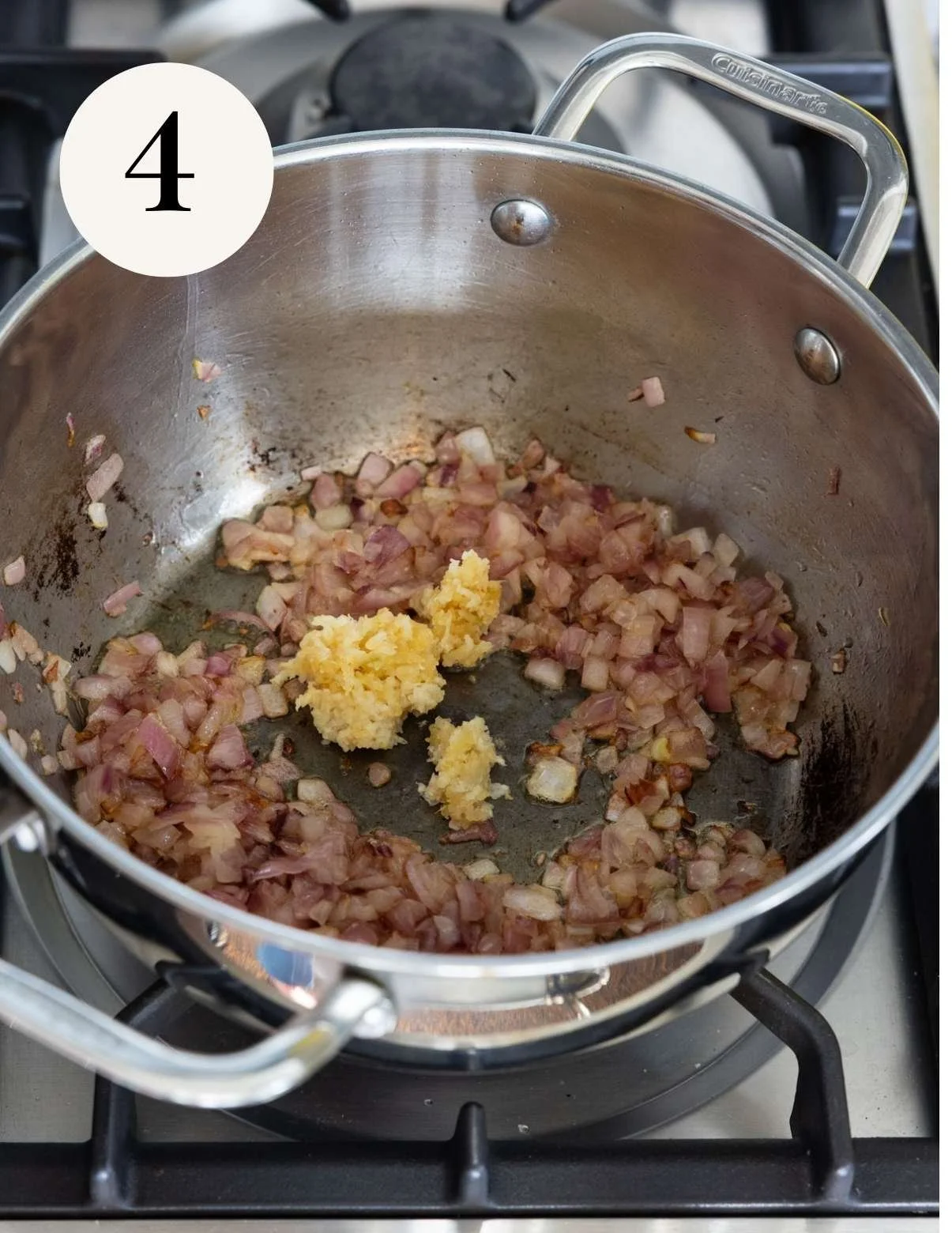
4. Add the garlic and cook for 1 minute more.
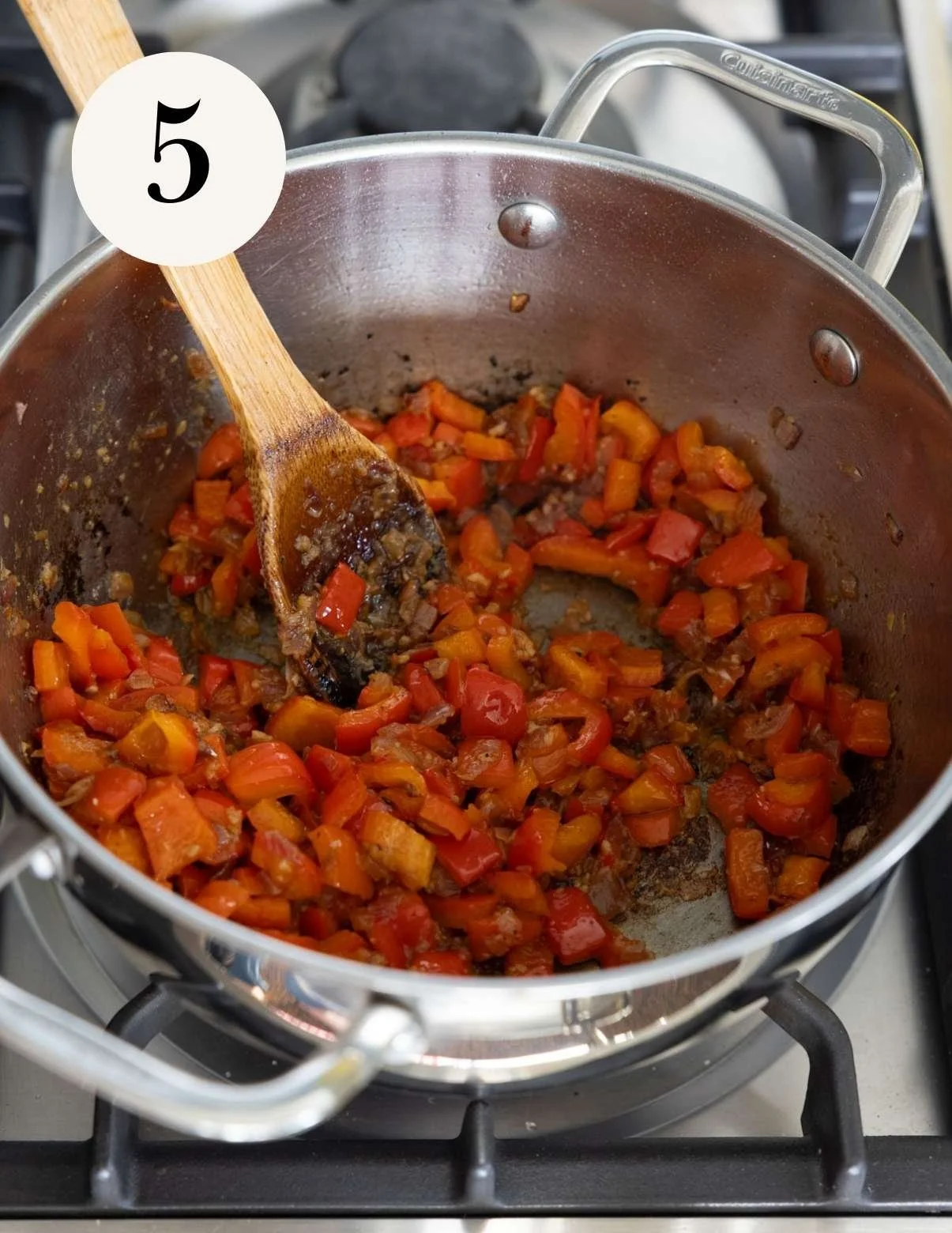
5. Now add the red peppers, another ½ teaspoon of salt, and a few twists of black pepper. Stir it all together. Cook until the peppers are soft and wilted, 5-7 minutes.
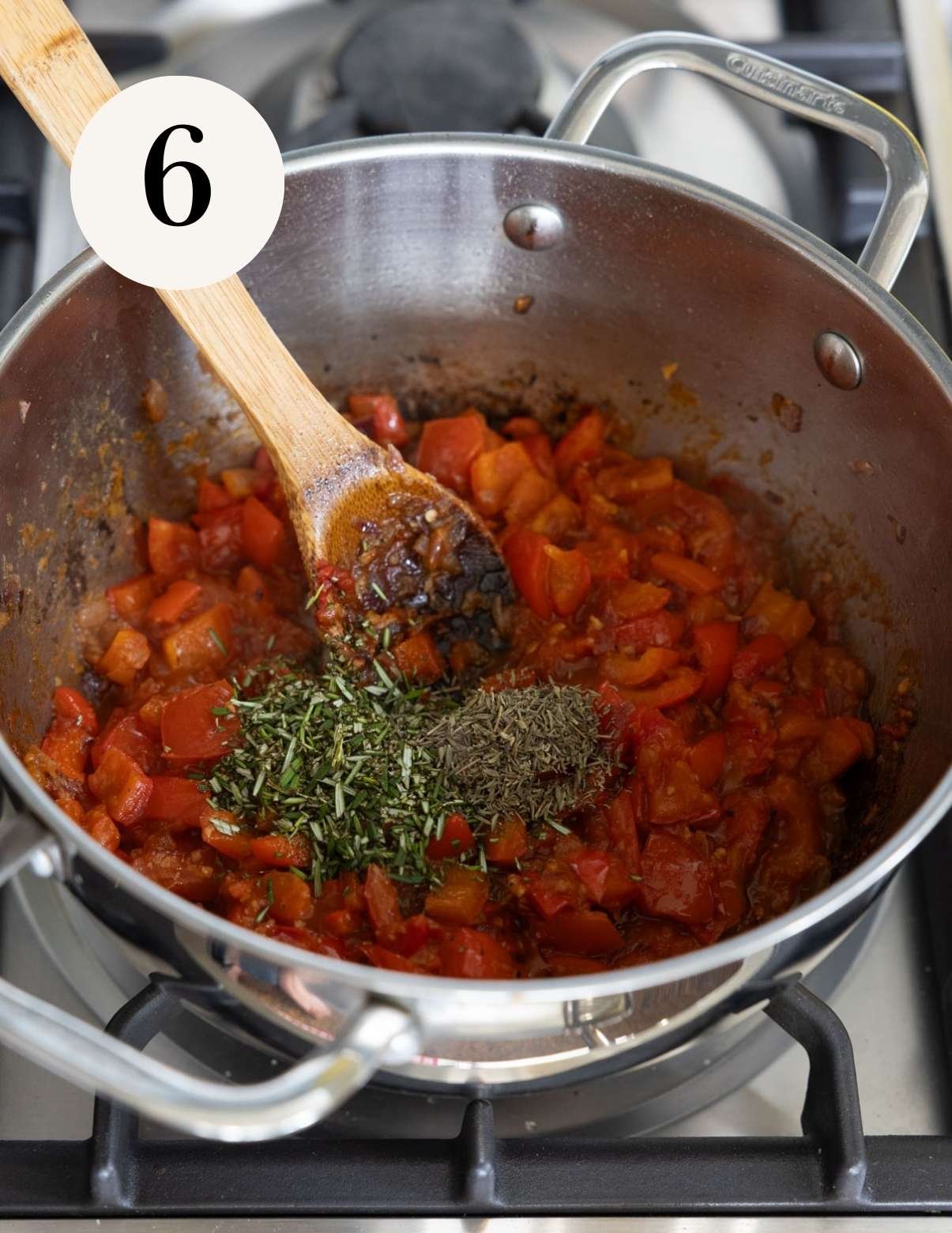
6. Next, add the tomatoes, tomato paste, sugar, thyme, and rosemary. Stir them into the vegetables until well mixed. Once bubbling, adjust the heat to maintain a gentle simmer. Cook until the tomatoes are softened into a chunky sauce, about 15 minutes. Drag a spoon across the bottom of the pan now and then to keep the sauce from sticking.
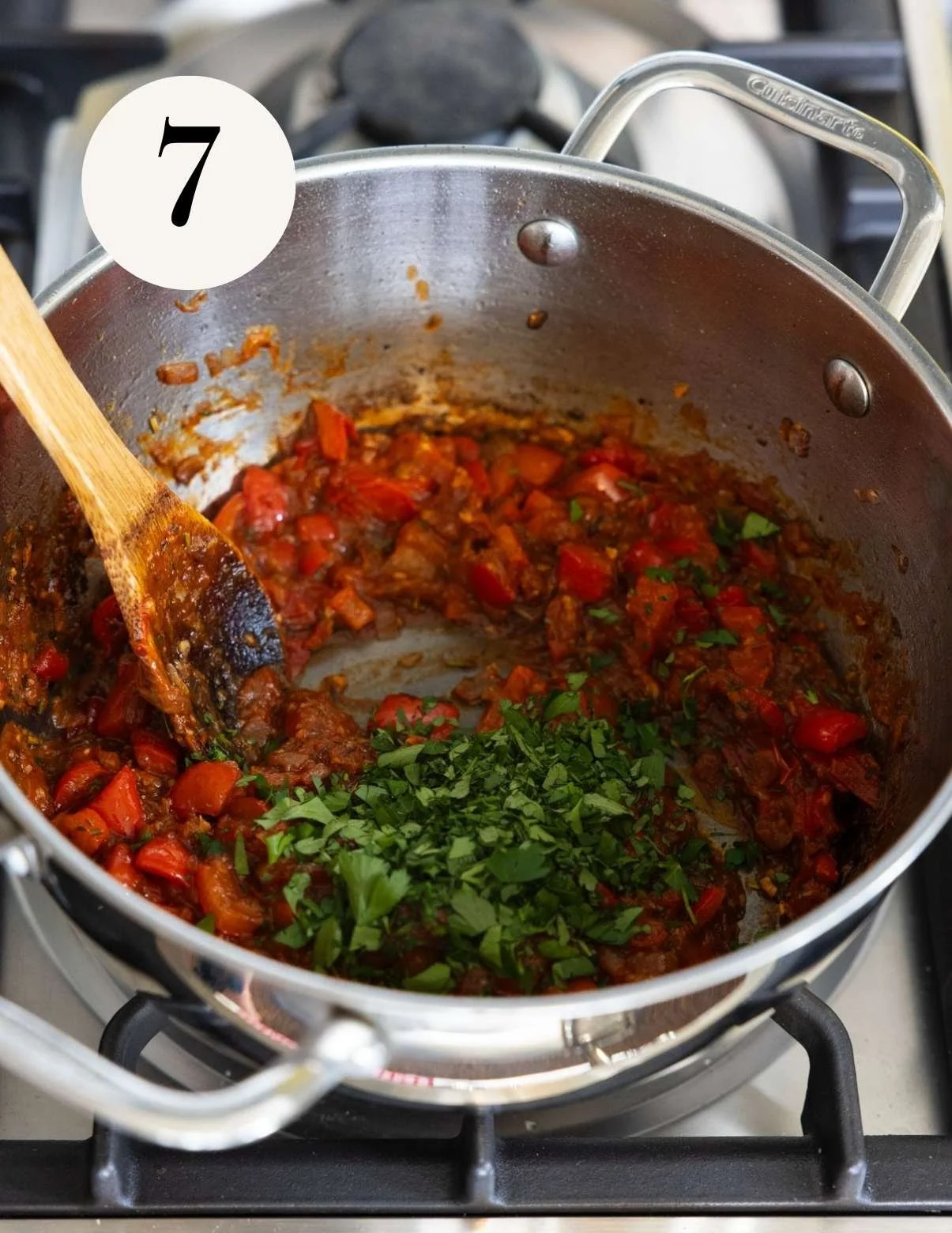
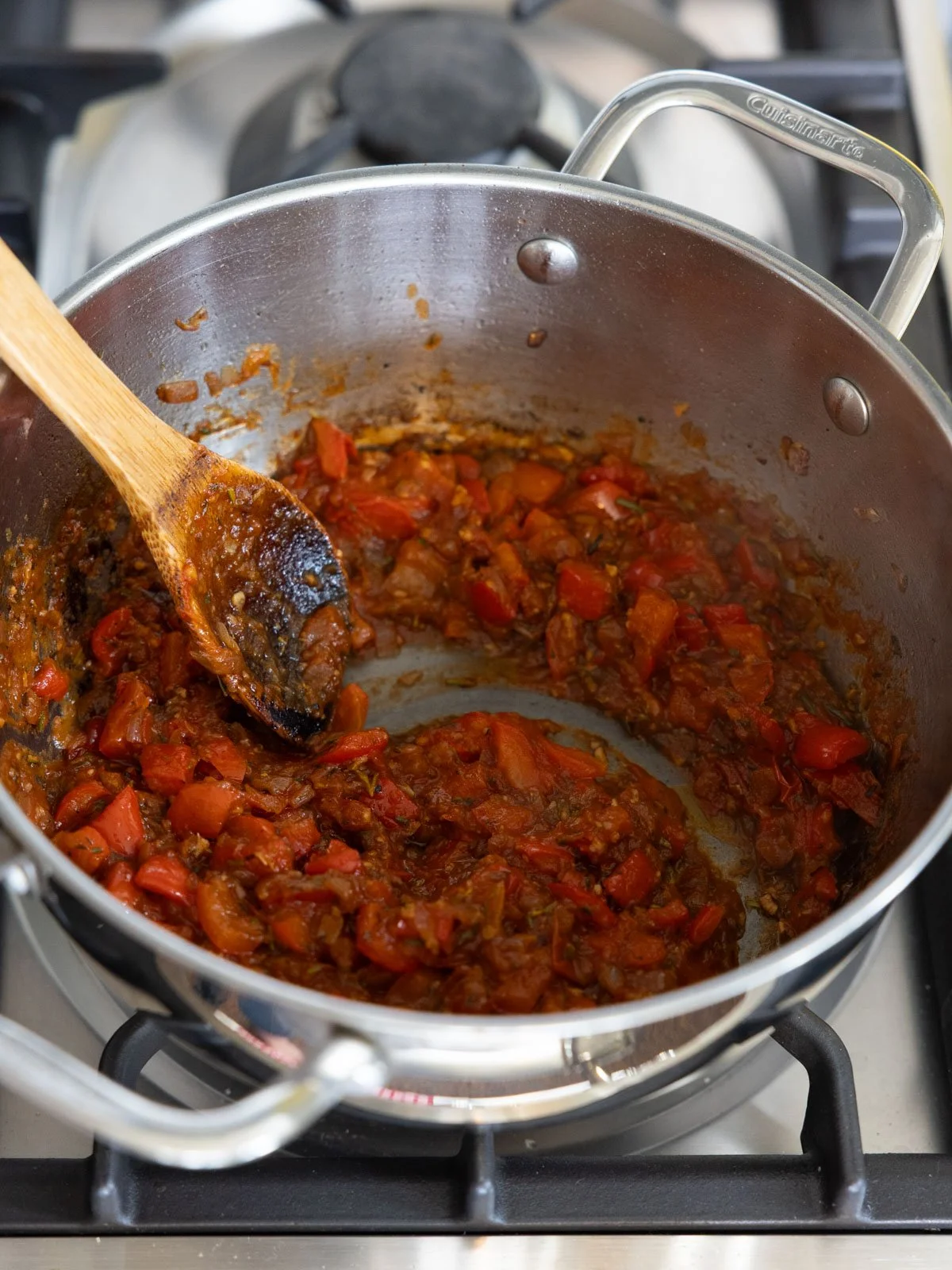
7. Sprinkle in the fresh parsley. Stir to mix. Taste the sauce, adding additional sugar, salt, or pepper to achieve a balanced flavor. You’re looking for a balanced, rustic sauce that is both herby and bright with a hint of sweetness. Set aside.
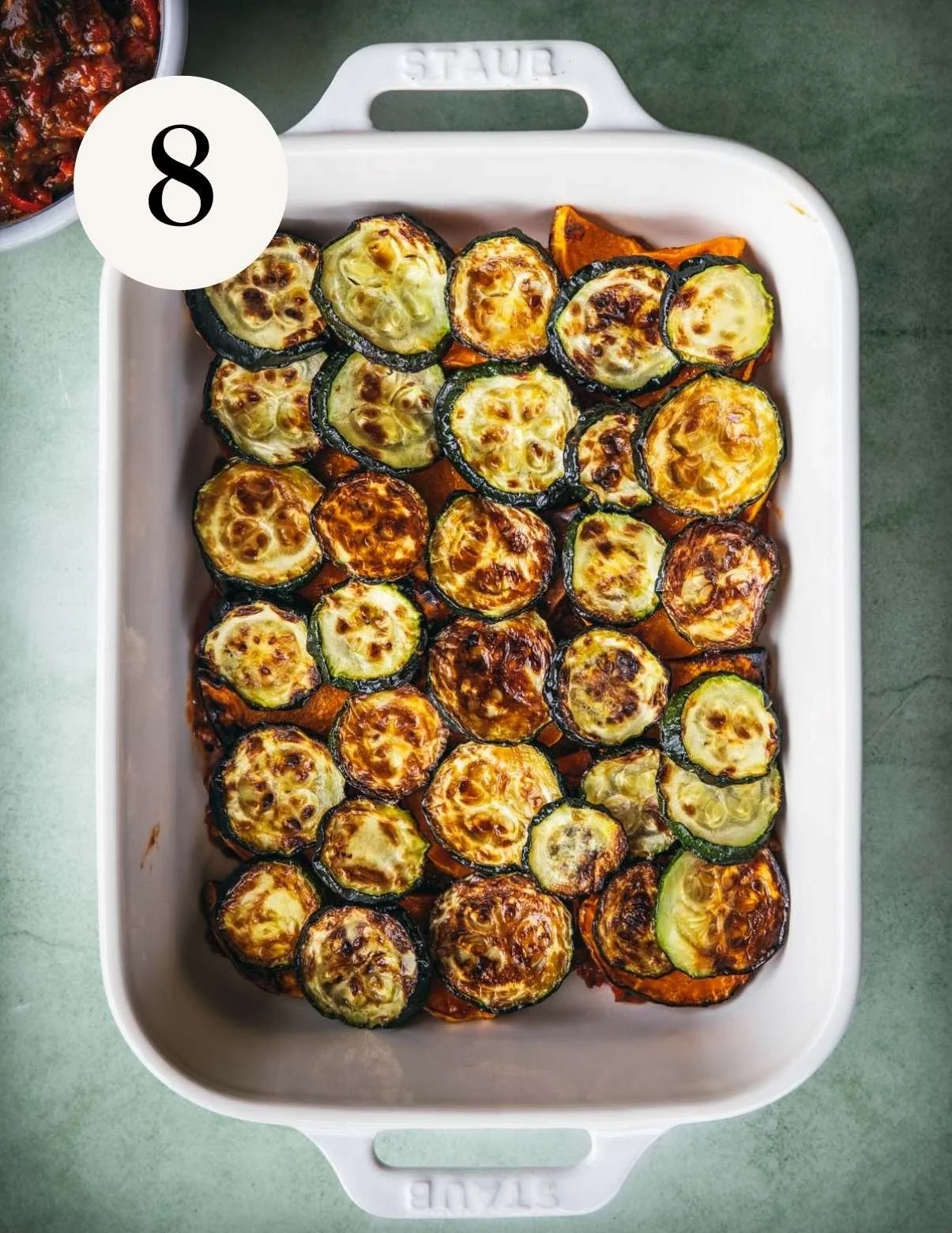
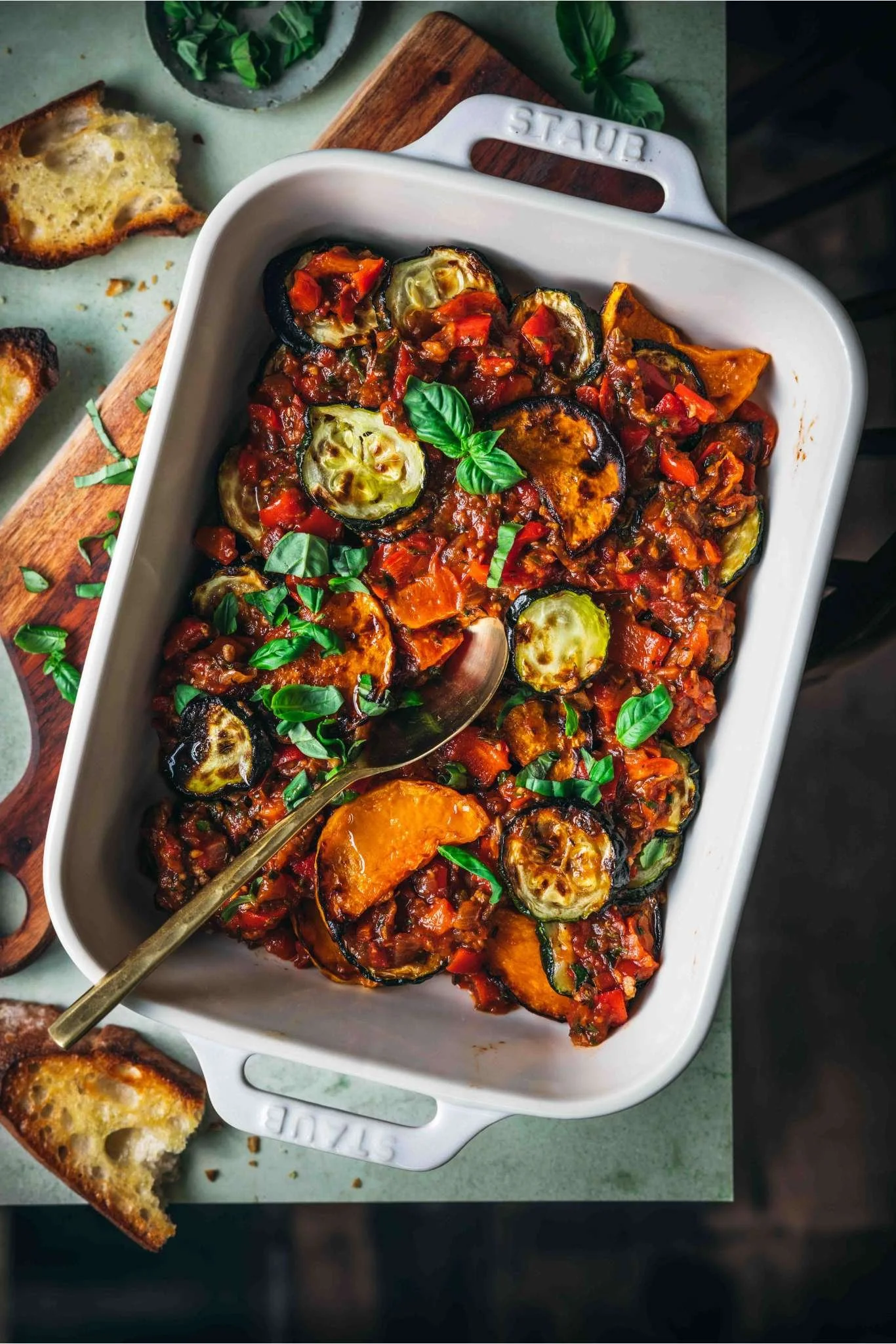
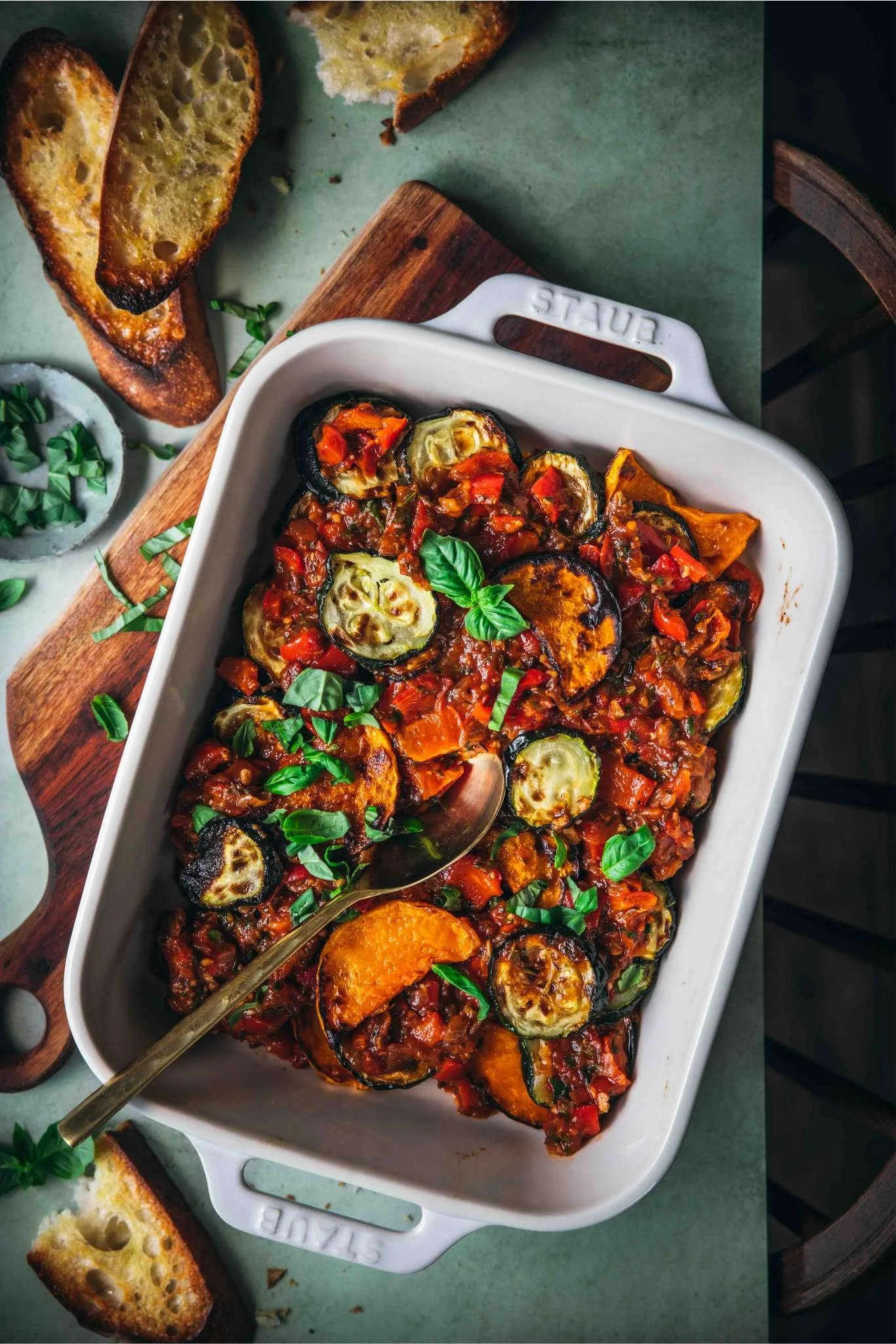
8. Layer your ratatouille. Spread half of the tomato sauce evenly on the bottom of the casserole dish. Layer the butternut squash in a single layer on top, covering the whole dish. Layer the zucchini on top of the butternut squash. Next, scoop the remaining tomato sauce on top of the zucchini. Garnish with fresh basil and a drizzle of olive oil.
9. Serve at room temperature or cold. Ratatouille can be made the day before, refrigerated, and then set out until it reaches room temperature or gently reheated in a 350° F oven until just warm.
❄️How To Store
Ratatouille stores really well as the flavors improve over time. Here’s a clear guide:
Refrigerator:
Cool to room temperature first.
Store in an airtight container for up to 5 days.
Serve cold or at room temperature.
Freezer:
Cool completely before transferring to a freezer-safe container for up to 3 months.
Thaw in the fridge overnight before bringing to room temperature or gently reheating.
The texture may soften slightly after freezing, but the flavor remains excellent.
Reheating / Serving:
Ratatouille can be enjoyed cold or at room temperature.
If reheating, low and slow is best to keep the vegetables intact.
🤌🏼 Helpful Tips For Great Ratatouille
1️⃣ Use a 2.5-quart casserole dish; no larger- This keeps the ratatouille from being too thinly layered, so every scoop has a tall presentation with plenty of chunky tomato sauce and roasted vegetables.
2️⃣ Oven roast for deep flavor- Roast the zucchini and butternut squash until you see small patches of golden brown across the tops with shriveled skins and very soft centers. The butternut squash should begin to caramelize at the edges. This creates rich, sweet, and savory flavors through the Maillard reaction and caramelization. Rotate the pans halfway through the cooking time for even browning.
3️⃣ Serve at room temperature or cold – Letting ratatouille cool to room temperature, or refrigerating it overnight, gives all the lovely flavors a chance to develop fully while keeping the texture soft yet distinct. It is even better the next day!
🥖 What To Serve With Ratatouille
Ratatouille can be served as a main dish, a side dish, or an appetizer. Let’s explore ways to do each.
As a main dish, ratatouille tastes beautiful served over mashed potatoes or creamy polenta.
Serve it with a side of crispy pan-fried mushrooms or chickpeas.
Try it for breakfast next to tofu scramble or shakshuka style with chickpea flour eggs.
As an appetizer, we love ratatouille topped on toasted baguette slices, which have been cut on the bias. See how to in THIS VIDEO.
Stuff mini bell peppers with a scoop of ratatouille for a colorful addition to your party plate.
I had the best time making this recipe with my daughter, Lizzy, over winter break in snowy New England. It was a happy accident that her natural grocery store was out of eggplant, and we used butternut squash instead! I hope Julia would be proud.
From my cozy kitchen to yours,
X,o,

Leave a Comment & Rating
If you like this Best Ratatouille Recipe Without Eggplant, be sure to leave a comment down below as well as a 5-star rating ⭐️⭐️⭐️⭐️⭐️. This helps others find my website, and I absolutely love hearing about your creations!
And be sure to follow along and tag me on Instagram and Pinterest. Thank you SO much for your support!

Best Ratatouille Recipe Without Eggplant / Vegan
This winter version of the traditional ratatouille recipe is made without eggplant! Creamy butternut squash, bell peppers, and fresh tomatoes are cooked with good olive oil into a rustic dish that is simply to-die-for! This recipe is easy, vegan, and gluten-free.
Ingredients
Instructions
- 2.5 quart casserole dish (8 x 10.5” or similar size)
- 2 rimmed baking sheets
- Preheat oven to 425°F. Brush the bottom of 2 rimmed baking sheets with olive oil.
- Roast the butternut squash and zucchini. Spread the butternut squash on one baking sheet. Spread the zucchini on the other baking sheet. Brush the tops with oil. Sprinkle the vegetables lightly with salt. Bake for 40-45 minutes, rotating the pans halfway through. The butternut squash should be very soft with some caramelized edges. The zucchini should be browned on the top with shriveled skins and soft roasted centers. A little charring is just fine and will add flavor. Set aside.
- Meanwhile, add 2-3 tablespoons of olive oil to a large saucepan over medium-high heat. Tumble in the onions. Sprinkle with ½ teaspoon of salt and stir to coat. Cook, stirring often until glistening, transparent, and fragrant, 5-7 minutes.
- Add the garlic and cook for 1 minute more.
- Now add the red peppers, another ½ teaspoon of salt, and a few twists of black pepper. Stir it all together. Cook until the peppers are soft and wilted, 5-7 minutes.
- Next, add the tomatoes, tomato paste, sugar, thyme, and rosemary. Stir them into the vegetables until well mixed. Once bubbling, adjust the heat to maintain a gentle simmer. Cook until the tomatoes are softened into a chunky sauce, about 15 minutes. Drag a spoon across the bottom of the pan now and then to keep the sauce from sticking.
- Sprinkle in the fresh parsley. Stir to mix. Taste the sauce, adding additional sugar, salt, or pepper to achieve a balanced flavor. You’re looking for a balanced, rustic sauce that is both herby and bright with a hint of sweetness. Set aside.
- Layer your ratatouille. Spread half of the tomato sauce evenly on the bottom of the casserole dish. Layer the butternut squash in a single layer on top, covering the whole dish. Layer the zucchini on top of the butternut squash. Next, scoop the remaining tomato sauce on top of the zucchini. Garnish with fresh basil and a drizzle of olive oil.
- Serve at room temperature or cold. Ratatouille can be made the day before, refrigerated, and then set out until it reaches room temperature or gently reheated in a 350° F oven until just warm.
Notes
This recipe may be made with eggplant if you would like to keep it traditional. In place of the butternut squash, use 1 pound of eggplant (1 large), skin on, ends trimmed away, and cut into ¼ inch rounds. To roast the eggplant, spread the rounds on one baking sheet. Continue with the directions at step 2.
❄️ How To Store
Ratatouille stores really well as the flavors improve over time. Here’s a clear guide:
Refrigerator:
- Cool to room temperature first.
- Store in an airtight container for up to 5 days.
- Serve cold or at room temperature.
Freezer:
- Cool completely before transferring to a freezer-safe container for up to 3 months.
- Thaw in the fridge overnight before bringing to room temperature or gently reheating.
- The texture may soften slightly after freezing, but the flavor remains excellent.
Reheating / Serving:
- Ratatouille can be enjoyed cold or at room temperature.
- If reheating, low and slow is best to keep the vegetables intact.
🤌🏼 Helpful Tips For Great Ratatouille
1️⃣ Use a 2.5-quart casserole dish; no larger- This keeps the ratatouille from being too thinly layered, so every scoop has a tall presentation with plenty of chunky tomato sauce and roasted vegetables.
2️⃣ Oven roast for deep flavor- Roast the zucchini and butternut squash until you see small patches of golden brown across the tops with shriveled skins and very soft centers. The butternut squash should begin to caramelize at the edges. This creates rich, sweet, and savory flavors through the Maillard reaction and caramelization. Rotate the pans halfway through the cooking time for even browning.
3️⃣ Serve at room temperature or cold – Letting ratatouille cool to room temperature, or refrigerating it overnight, gives all the lovely flavors a chance to develop fully while keeping the texture soft yet distinct. It is even better the next day!
For step-by-step instructions with photos, scroll up to blog post!
Nutrition Facts
Calories
280Fat (grams)
1 gSat. Fat (grams)
0 gCarbs (grams)
57 gFiber (grams)
10 gNet carbs
36 gSugar (grams)
17 gProtein (grams)
7 gSodium (milligrams)
95 mgCholesterol (grams)
0 mgNutritional information is provided as a courtesy and is an estimate only. This information comes from online calculators.